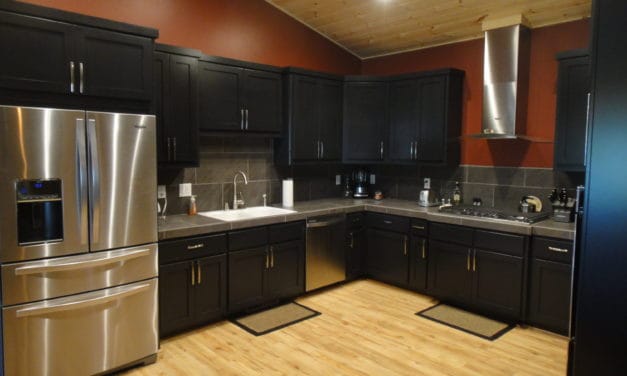
CST General Contractors Inc Lake Almanor Ca 530-259-4995

Remodeling, building a new home or just need some home or business repairs? Cal Thurber and the crew at CST are always on hand to serve all of your construction and electical needs. Cal has been part of the Lake Almanor community for over 40 years and is always happy to serve his neighbors. Not only is he a general contractor and certified, licensed electrician he is also the only local dealer and installer of Generac generators. Harsh winters make generators a must in this neck of the woods from Reno to Redding.  Professional and punctual is what it’s all about at CST. Give Cal a call at 530-259-4995 for free estimates, construction or generators.  He is always friendly and fair.  Let the building begin!

Click an Ad to Learn More

Mvl
MVL
Share Mountain Valley Living with your friends:
  • Print
  • Digg
  • StumbleUpon
  • del.icio.us
  • Facebook
  • Yahoo! Buzz
  • Twitter
  • Google Bookmarks
  • Google Buzz
  • Live
  • Add to favorites
  • MSN Reporter
  • PDF
  • RSS

Sterling Sage Greenville Ca 530-284-7334

Sterling Sage
Welcome to Sterling Sage, a unique boutique for those who appreciate the finer things in life. Visit them in Greenville,Ca at 213 Main Street and see for yourself the gorgeous selection that includes antique to contemporary furniture, glass, porcelain and fine smalls. Owners Bink and Josh Huddleston are also proud to offer a variety of home décor and furnishings, lamps and lighting as well as an array of accessories for your home. Each piece was hand selected for its uniqueness and joyful inspiration

Sterling Sage
Fine is more than antiques so Sterling Sage is a full jewelry store as well, carrying  a wide range of fine gold and silver pieces as well as precious and semi-precious stone jewelry. Custom design is available.Whether it’s an engagement ring, something for an anniversary or “just because” Bink and Josh stand behind every piece they sell and always make sure that each and every customer is 110% satisfied. They’re available for jewelry and watch repair too!

Now that they have dressed you and your home home to the nines how about some treats for the tongue. Sterling Sage offers a variety of  gourmet food and confections from brands such as: Stonewall Kitchen, Earth and Vine Provisions, Sharffen Berger Chocolates, Carol Halls Hot Pepper Jellies, Sciabica Flavored Olive Oils,Archipelago botanicals, The Thymes,  Jelly Belly and tasty “Exclusivo” Marinara.

Drop into Sterling Sage, explore the fun and fancy!

Share Mountain Valley Living with your friends:
  • Print
  • Digg
  • StumbleUpon
  • del.icio.us
  • Facebook
  • Yahoo! Buzz
  • Twitter
  • Google Bookmarks
  • Google Buzz
  • Live
  • Add to favorites
  • MSN Reporter
  • PDF
  • RSS

Keep The Light In Your Life With A Back Up Generator

By Melissa Wynn

Life in the mountains is sprinkled with episodes of unpredictable weather. Heavy snows, gusty winds and the occasional forest fire often lead to power outages for all of us. Being prepared is as simple as having a back-up generator installed in your home or business. Local contractor Cal Thurber of CST Construction and Electric Inc. is our only local Generac dealer. He installed a back up generator in his own home several years ago and says he wouldn’t have anything less for his own family. When his power goes out the generator kicks on automatically and life goes on uninterrupted by the darkness.

Generators for your home or business eliminate the need for candles and lanterns when the lights go out and no more worries about losing the food in your freezer. One might think these handy contraptions come as a one size fits all but Cal taught me that this is not true. Many models and sizes are available to custom fit your needs. A small generator may be all you are looking for. These are just for the basics, run the lights and a few appliances until the power comes back online. You can have such a generator installed in your home starting around $3500-$4000. Larger systems have the capability to run your home or business and are more in the $6000-$8000 range. An outage lasting several days would make it worth every penny. While the neighbors are cooking on the wood stove your family can still be baking in the electric oven and taking hot showers. You could also be the only business on the block still open while the others are forced to close with no power to run the register, computer ect.

Don’t be left in the dark ages. Get a back up generator and be ready when the lights go out. For more information about Generac or generators in general please contact Cal Thurber at CST Construction and Electric Inc. at 530-259-4995. He is the go to guy for sales, service and installation along with general information. Keep the light in your life with a back up generator.


Share Mountain Valley Living with your friends:
  • Print
  • Digg
  • StumbleUpon
  • del.icio.us
  • Facebook
  • Yahoo! Buzz
  • Twitter
  • Google Bookmarks
  • Google Buzz
  • Live
  • Add to favorites
  • MSN Reporter
  • PDF
  • RSS

Mountain Traditions, Log Homes

By Melissa Wynn

bigstockphoto.com
Since the first pioneer yelled “TIMBER” in the woods log homes have dotted the landscape. Strength, superior insulating qualities and ease of construction made these dwellings the obvious choice for the first non-native inhabitants of the forested Sierra Nevada mountains.  Proof of the durability of the log home is often found by hikers who chance upon small log shacks slapped together by the 49ers of the gold rush in the 1800s but still standing today.

Melissa | Mountain Valley Living Magazine
Don Sabin, of the now ghost town known as Seneca, built his log home in the summer of 1947 with his buddy Duke. They fell the trees on site with hand saws, notched them with axes and lifted the  higher tiers in place using a home made block and tackle system. Mr. Sabin lives these rustic digs year round to this day.

Modern day log homes come in all shapes, sizes and degrees of luxury. Rick and Vickie Nelson live in a shining example on the  pristine bank of Lake Almanor’s East Shore. Built in 2002 by Cal Thurber of CST Construction & Electric Inc.  Lake Almanor, in conjunction with Precision Craft Log Holes of Meridian Idaho, this 5000+ square foot beauty with lake view deck and built in generator is sure to be impressing passers by a hundred years from now.

The best mountain traditions never change, living simple, lakes and log homes.

Share Mountain Valley Living with your friends:
  • Print
  • Digg
  • StumbleUpon
  • del.icio.us
  • Facebook
  • Yahoo! Buzz
  • Twitter
  • Google Bookmarks
  • Google Buzz
  • Live
  • Add to favorites
  • MSN Reporter
  • PDF
  • RSS

Energy Star Home


The warmth of autumn sunshine fills the car as the magnificent splendor of fall erupts across rivers and streams.  Storybook scenes of crimson and gold drape off mountain tops, while splashes of autumn color decorate the views in every direction.  We are heading toward East Quincy to see the latest Energy Star® and solar home built at Sierra Park.

We venture off on a country road to land at Sierra Park.  I am not surprised that they are closing another escrow on yet another home.  The lure of friendly faces in Quincy and the wonder of the great outdoors in no doubt a draw for this small development.  We were greeted by developer Les Ellis and his friendly black dog Bruno who showed us around the Sierra Park neighborhood.  Twelve homes have been built so far with plans to build 21 more.  Only one home sits empty but is in escrow with the occupants arriving in time for the holidays.  We are pleased to have the chance to look inside.

As we enter through the garage into the mud room, Les points out the on-demand Rinnai hot water heater which takes up little wall space and is considered one of the most efficient.  The spacious two-car garage is tightly insulated with sheetrock and a well insulated, sealed automatic garage door.

We step inside the light and airy home.  Spacious rooms and large windows greet us with fabulous views of Grizzly Ridge, Argentine Rock and meadows including a grazing horse.  Solid Hi-Macs® countertops and upgraded fixtures adorn the kitchen where, of course, Energy Star® appliances and an on-demand hot water make for big savings.

Les points out some of the details we can’t see like the extra steps taken to insulate the home.  For example, all insulation under the floor joists is installed to uniformly fit the cavity end to end and side to side.  Extra blocking and insulation is also placed under and around heater vents.  The low energy furnace has an efficiency rating of 95%.  All interior and exterior doors are solid core (except closets) and even the carpeting includes a heavy duty high standard underlay.  Windows are vinyl and double glazed (E type), including the garage and sound insulation has been added to the interior walls for quieter living.

This is also a solar home and the American-made panels on the roof are collecting the autumn sunshine for the family’s free electricity.  It works on any bright, sunny day, year ’round.  If a family uses less electricity than they make, PG&E will buy back the excess.

Taking a deeper look into this, one wonders how long it will be until all homes are built this way and why it isn’t already the norm.  If you are creating a home to last a lifetime, I cannot imagine a better feature to have built in than energy efficiency and, better yet, a way to make your own power.  Just the installation of new windows in my home several years back made an astounding difference in comfort and fuel consumption.  I can only imagine the difference in a home like this.

Sierra Park Homes are built to the highest energy ratings.  Energy Star® homes must meet federal inspections in addition to the local building department’s.  Colors, cabinets, tile, countertops and flooring are typically chosen by the buyer or with assistance from Sierra Park.  With two current building permits due to expire December 31st, Ellis explained that by purchasing now, the buyer will save thousands by acting before the 2011 building codes come into effect.  Prices for one of these outstanding homes begin at $260,000.

Sierra Park Homes can be reached at 530-283-9301.  View the homes and find more information by visiting www.sierraparkatquincy.com.


Share Mountain Valley Living with your friends:
  • Print
  • Digg
  • StumbleUpon
  • del.icio.us
  • Facebook
  • Yahoo! Buzz
  • Twitter
  • Google Bookmarks
  • Google Buzz
  • Live
  • Add to favorites
  • MSN Reporter
  • PDF
  • RSS

Thanks to our sponsors:

Share Mountain Valley Living with your friends:
  • Print
  • Digg
  • StumbleUpon
  • del.icio.us
  • Facebook
  • Yahoo! Buzz
  • Twitter
  • Google Bookmarks
  • Google Buzz
  • Live
  • Add to favorites
  • MSN Reporter
  • PDF
  • RSS

Ice Dams: Cold Weather Culprits By Brian Wilson State Farm® agent

Ice Dams: Cold Weather Culprits

By Brian Wilson

State Farm® agent

Nothing says winter to many people like heavy snow blankets and icicles hanging from the roof of their homes. But, the snow and icicles present a subtle danger, ice dams.

After several days of melting-freezing cycles, it’s common for the melted snow and ice to work up under the roof shingles until water enters the attic and eventually does damage to the ceilings, walls and contents. Ice dams that go unnoticed for an extended period of time can significantly damage the home and its contents.

The right weather conditions for ice dams is usually when outside air temperatures are below freezing for several days with several inches of snow on the roof. Research shows keeping the attic air temperature below freezing when the outside air temperature is in the low 20s can reduce the risk of ice dams.

There is no guarantee an ice dam won’t damage your home, but you can consider these steps in trying to avoid ice dams from forming in the first place:

 Before winter, clean leaves and debris from gutters and downspouts.

Eliminate any heat sources in unfinished attics. Ductwork in the attic should be sealed and insulated.

Prevent warm, moist air in living spaces from entering unfinished attics with a good air barrier and appropriate water vapor control at the base of the attic.

Do not install mechanical equipment or water heaters in attics, especially in cold climates.

Evaluate the insulation and ventilation in your attic. Most experts agree the R-value of attic insulation should be at least R-30 (R-38 is preferable in northern climates).

Provide good attic ventilation to replace warm air in unfinished attics with cold outside air.

Make every effort to keep snow on your roof to a minimum. Long-handled devices on the market called “roof rakes” let you stand on the ground and pull the snow off the roof. Remember to stand clear of the falling snow and ice.

Make sure a secondary moisture barrier is installed if your roof covering is going to be replaced in the near future.

Ice dams can be damaging, but a few, simple steps can reduce the possibility of build-up. Talk with an insurance professional for more information on these and other home safety tips

Share Mountain Valley Living with your friends:
  • Print
  • Digg
  • StumbleUpon
  • del.icio.us
  • Facebook
  • Yahoo! Buzz
  • Twitter
  • Google Bookmarks
  • Google Buzz
  • Live
  • Add to favorites
  • MSN Reporter
  • PDF
  • RSS

Fen Shui Indoors

FENG SHUI INDOORS

by Jeanne Brovelli, Interior Re-designer
La Casa Bella Fine Furnishings

According to the ancient practice of Feng Shui, our home tells a story.  It tells about who we think we are and reflects not only our external circumstances, but the inner workings of our minds.

The chi is considered the flow of energy in a home or garden.

Consider doing this little exercise: you be the chi and do a walkthrough in your home.  You will probably find some very interesting things, as I did when I did this exercise.  Think of yourself as energy flowing and how easily, swiftly, too swiftly, abruptly, disjointedly, gracefully, whatever way … you flow through your home.  This will give you lots of information about how to improve the energy flow and the feel of your home as well.

Entryway-  Considered the most important aspect of the home, it is said to speak of the health and safety of those within.  Things to consider:

Can you find the entrance easily?

Is it too straight of a line leading in- you can add foliage to soften.

The doors should open inward.

There should be something to define and support the guests arriving, but not blocking the entry.

Remember- the chi needs to be able to enter (inhale) easily and then leave (exhale) through a different door.  The windows represent the eyes of the house and expel used chi. They should be clean and in good repair.

Center of the House-  This is where the most important/used room of the house should be located.  In past times, it has always been the kitchen or hearth.  Today it is often the room where the television is located or the Great Room- where you gather the most.  If another room is in the center, such as the bedroom or kitchen, it is said your life may become more focused on these areas.  If the bathroom or laundry room are in the center, money and resources may go down the sewer lines.  You can counteract this by using mirrors inside these rooms or hang a mirror so that it faces the “offending” room and reflects another room in the house. Things to consider:

If your television is in this room, don’t place it so that you watch it with your back to the door.

Avoid overpowering furniture that takes up too much space.

Arrange the furniture for coziness, conversation and comfort, making sure there is “breathing room” for the chi to flow.

Kitchen-this is where you prepare and often eat food and is symbolic of the internal fires that keep the spirit going.  In Feng Shui, cooking is synonymous with money.  This is also the room where chi is channeled into the body. Things to consider:

If the cook cannot see the entry into the kitchen, place mirrors so that one can see while cooking.

Hang mirrors, shiny pots, or reflective surfaces behind burners to double their number and double your cash flow.

Create a separation between the sink (water) and stove (fire)

If the kitchen faces the living room or bathroom, keep the doors closed or use screens or plants to separate.

Make sure all appliances work; if not, discard them.

Keep the refrigerator clean and free from old items.

Eliminate any drips, so that your resources don’t “drip away.”

Don’t let garbage pile up or all kinds of “psychic” garbage will accumulate.

Dining- This is an important room, if you use it for dining.  chi should not be allowed to stagnate here; it’s best to have two ways for the chi to enter and exit, preferably not opposite each other or it will feel like a hallway.  Things to consider:

A round or oval table is best; more harmonious than a square or rectangle.

Three is the minimum number of chairs to be placed around a table.

If you live alone, change places every night so that all chairs are used periodically.

Bedroom- Ideally, the master bedroom should be as far as possible from the entry and from the main street, for a more peaceful life.  If this is not possible you can arrange the furniture and plants so that they are between the bed and the main street.  (There’s always remedies with Feng Shui!)  Things to consider:

1) A new relationship , new job or new life deserves a new bed or at least new linens.

2) Avoid clutter or inappropriate furniture in the bedroom

3) Create a cushion for the chi by elevating the bed at least 5 inches, but not more than three feet.  Let the chi circulate above and below on three sides.

4) Place the bed against a solid wall, not a window or glass wall.

5) Place the bed in the farthest corner from the entry, with the best view of the entire room, preferable on a north/south or east/west axis.

6) To bring more love and compassion to your relationship, hang a round mirror in the bedroom.

Bathroom- The purpose of this room is to cleanse the body externally and internally so the chi should move through quickly and not be allowed to get stale.

A window is good for ventilation.

Avoid elaborate, ornate décor as this tends to hold the chi in, according to Feng Shui experts.

Make sure there are no leaks or drips in the faucets as it is thought to cause resources to suffer.

Discard old medicines, cosmetics, etc.  Keep supplies neat and orderly.

As you finish your own home walkthrough, do you have any ideas for some simple changes you might consider making?  I’m definitely going to move our bed so that it is against a solid wall. Then, I’m going to think about tackling the bathroom cabinets.  That will come later because by this time I have exited, like the chi, and am back in my garden again enjoying the summer days!


Share Mountain Valley Living with your friends:
  • Print
  • Digg
  • StumbleUpon
  • del.icio.us
  • Facebook
  • Yahoo! Buzz
  • Twitter
  • Google Bookmarks
  • Google Buzz
  • Live
  • Add to favorites
  • MSN Reporter
  • PDF
  • RSS

Toolin' Around With J- Drywall Repairs

Welcome to July!!! Finally it’s warm and we are ready to go outside!!! It’s also a great time to paint and spruce up the joint!! But wait a minute! Let’s look at those walls……are they in great shape? Ooops, there’s a ding where Tommy’s Tonka truck flew off the table (by mistake) and hit the wall! Oh no, remember when your movers brought in that new bedroom set and hit the wall? Oh oh, the hole in the wall is still behind that recliner? Or, for goodness sake, the door slammed open by itself and put a hole in the wall? Well, now you can’t just paint over that stuff. Let’s fix it. With this warm weather it will all dry in no time and then you can paint!
The techniques we will use today are specific to wallboard, not plaster. You will need different materials for plaster. Unlike plaster, drywall compounds stick readily to painted surfaces and that means you can repair directly over paint. After the patch has dried you will be able to paint right over it. We will work today on large holes, rather than dings or expansion cracks.
Tools:
Framing square
Screwgun
Putty knife
Drywall hopper or gun
Compressor
Razor knife
Materials:
Drywall screws (Size dependent upon your drywall thickness- 1 1/4” are typical)
Drywall
Spackling
Joint tape
Drywall compound
Drywall nails
Cardboard, String
Drywall backer strips
Safety tips:
Not too much danger with this project!
Be safe with the razor knife, cut away from you.
Lay plastic or paper on the flooring under the repairs. Compounds are difficult to get out of carpets.
So let’s get to it! Ready?
Option 1: For Holes larger than 4” square
Step 1: With your framing square, draw an outline around the damaged area. With your razor knife, cutaway the damaged section of drywall. Be sure you have a square hole to work with.
Step 2: Cut 2 strips from 3/4”plywood or furring to make your backer board. Install the strips with your screwgun and 1 ¼” screws to the inside of the hole in the wall. This will give your new piece of drywall something to screw to.
Step 3: Cut a piece of drywall to the size of the hole. This drywall will need to fit inside the hole you have cut. Screw it into the four corners where you added your backer strips.
Step 4: Cut and apply adhesive backed fiberglass drywall tape to the four edges of your hole. This will be applied on the existing wall and the new board to cover the joints. Apply a thin coat of drywall compound to the joints. Let it dry.
Step 5: Sand the area and repeat if you need a smoother finish. Try to keep it as smooth as possible for a better painted finish.
Option 2: This is a very handy tip for holes no larger than 3”!!!
Step 1: Cut a piece of cardboard about 1” larger than the hole you are patching. Poke a hole into the middle of cardboard with a small screwdriver or drywall screw. Using the string or twine, tie a knot in the end, cut into a 12’ section and push through the cardboard.
Step 2: Fold the cardboard loosely in half. Holding onto the string, push the folded cardboard into the hole and pull it back tight against the drywall. This cardboard will act as a backer for your spackle. Hold onto the string until you get good adhesion from your spackle.
Step 3: Using your putty knife, fill the hole with spackle. As it dries, this spackle will sink up a bit. You will need to apply several levels of spackle until the hole is flush with the existing drywall. Be sure each application has dried before you apply the next.
Step 4: Once the spackle has completely dried and your hole is as flush with the drywall as possible, snip the string off as close to the patch as you can. Sand the patch until you have a smooth finish.
You are now ready to texture your patches. There are several different drywall patterns and you will have to match yours. This may be trial and error, but do the best you can. The most popular are orangepeel (which looks like its’ namesake) or knockdown, which has flattened areas throughout the texture.
If the damage you were repairing were large holes, you may need to rent a drywall gun and compressor at your favorite rental yard (don’t forget about us! We have two!!!) With this gun, the spray is adjustable, so you should get a close match to the pattern you have! It is user friendly and you are able to practice on a piece of drywall or wood which you don’t need.
You can also purchase a can or two of spray texture at your hardware store. This texture is sold in two sizes, large or small. Buy what you need, because it doesn’t last long after you use it. You can buy either orangepeel or knockdown, whichever suits your needs.
Once you have sprayed your texture and given it time to dry, you will need to do a light sanding with a 100 or 120 grit paper to give it a finished look. Brush off the dust and voila, you are ready to paint with the original color or put a fresh new color on those walls.
Stand back and admire the work you have just done…….can you believe how handy you have become?? Well, all this talk about work and orangepeel, has made me thirsty. A tall, cold glass of orange juice sounds just right!!!
You can always call us for any of your rental or repair needs @ 530-832-5462! Remember J’s got you covered!!!
Share Mountain Valley Living with your friends:
  • Print
  • Digg
  • StumbleUpon
  • del.icio.us
  • Facebook
  • Yahoo! Buzz
  • Twitter
  • Google Bookmarks
  • Google Buzz
  • Live
  • Add to favorites
  • MSN Reporter
  • PDF
  • RSS

Installing a New Wood Floor

So! You thrashed your hardwood floor this winter or maybe tired of that wet carpet from all that snow??! Don’t know what to do???

How about if we put in a new wood floor right now? No problem! Then you will be ready for that spring fling!

Wood flooring has such warmth and the durability is actually misleading. You can repair physical damage to your wood floor fairly easily. Cracks and holes can be patched. If the edges start splintering you can re-glue them. Should the damage be too extensive, you can always replace one or more boards to replace the damaged area. So, get yourself out and decide which style you like and let’s start!
Special Tip: Your new wood will need to acclimate itself to the differences in the moisture levels of your house. It must be brought home and set in a corner of the room in which it will be installed. Open boxes and stack planks loosely. This acclimation usually takes one to two weeks. Wood expands and contracts dependent upon the temperature and humidity. To ensure a perfect fit, give the wood time to do this BEFORE you install. You will be glad you did!

Tools:
Tape Measure
Handsaw
Pry bar
Circular saw
Nailset
Drill w/ bit set
Pneumatic or manual floor nailer
Hammer

Materials:
Hardwood flooring strips
Flooring nails (per manufacturers’ directions)
Building paper or foam underlayment (look at manufacturers’ directions for specifics)
Carpenters glue

Safety tips:
Be sure you are not working around children with the saws.
Be sure your saws have safety guards and make sure they work.
Watch your fingers at all times when using power tools of any kind.

Step 1: Remove the old flooring down to the subfloor. If it is dry and in fairly good shape, lay building paper over the subfloor, overlapping 3” at the seams. Tack it down and mark the joist locations on the paper. If the new floor will be a floating floor, roll out foam backing and secure with masking tape, also marking the joists.

Step 2: Now you may begin your installation.  Starting against the wall, lay your first plank and predrill nail holes through the flooring where joists were marked earlier. This will prevent splitting the new floor boards, which are fairly delicate. Set your planks the length of the wall, leaving approximately ½” clearance from the wall. This will allow for seasonal expansion.

Step 3: Once you are several strips away from the wall, you can use the special flooring nailer ( which we just happen to rent at J’s!!! Wow!! We have it all.), to continue installing the floor at a much faster pace than the predrilling method. It actually holds each piece tight against the last, and when struck with the mallet, will secure each piece with a nail. With a pneumatic nailer (air assisted) most of the work will be done for you. Before you set each plank in place apply  a thin line of carpenters glue to the grooved end of each piece. (Glue the tongue and groove sides if you are installing a floating floor.)

Step 4: When you get to the end plank on the first run, cut a piece to fit with tongue towards the wall. Then install so that the cut end will be against the wall. If you are using a hand saw cut with the decorative side up, with an electric saw decorative side down to eliminate damage to the finish.

Step 5: Begin your second row with a small piece 8” or larger in order to stagger end joints. You may use the short piece from your last cut. Tighten up your joints by using a small piece of plank as a buffer and tap the ends of plank with a hammer to the already installed plank. Use a coping saw or a jigsaw for cutting corners or other cutouts.

Step 6: Continue in this manner until you have reached the last plank. When you reach the last plank, you may have to cut it lengthwise. Lay the last plank on top of the next to the last row with the edge against the wall. Use another piece of planking as a guide to scribe the contour of the wall. Cut along the scribed line. Then install your last piece. Use a wood block to protect the wall and a pry bar to wedge that last piece in tight. This last course of boards more than likely will have to be face-nailed.

Step 7: Allow the glue to dry for 12 hours before using your new floor. If there is any excess glue on the joints, use a solvent to remove. Read the label to be sure it is wood safe.

Look how beautiful it is!!!  Put on a good pair of wool socks, invite the neighbors and have sock races on your new hardwood floor!!!

If there are any projects you have in mind, call us at J’s Rental @ 530-832-5462. We are soooo happy to help you achieve your goals when it comes to beautifying your home!!!
Meet you here again next time!!
Share Mountain Valley Living with your friends:
  • Print
  • Digg
  • StumbleUpon
  • del.icio.us
  • Facebook
  • Yahoo! Buzz
  • Twitter
  • Google Bookmarks
  • Google Buzz
  • Live
  • Add to favorites
  • MSN Reporter
  • PDF
  • RSS

Toolin' Around With J- Weatherstripping

Hi my friends! Here we are again! I think now would be a good time to start thinking about that icy weather. If you haven’t yet, why don’t we do some weatherproofing on your home??

The most important reason for you to weatherize is because of the money it will save you. Heating & cooling costs can account for over half of your total energy bill even with average insulation. Most insulation and weatherstripping products are inexpensive, but investing in them now will create an energy savings which you will realize in a short period of time.

There are soooo many ways to improve the energy efficiency of your home, but we will focus today on only a few easier items. Weatherproofing projects typically involve doors and windows because these are the primary heat-loss areas in most homes. Installing storm windows or doors is one effective way to eliminate heat-loss. They are a little more expensive, but worth it.

As a homeowner project today, caulking and weatherstripping will be the primary tools used. These can be picked up for a minimal cost at your favorite hardware store.
Tools:
Small finish hammer
Screwdrivers
Putty knife
Razor knife
Caulking gun
Step ladder or step stool
Materials:
Silicone Caulk
Expandable insulating foam
Wood filler
Weatherstripping
Electrical outlet covers and switch plate covers

Safety Tips:
Not too much danger in this project.
Always remember to protect your eyes
Be sure your ladders are on level ground
Whatever you do, keep your fingers and thumbs away from hammers and staplers (ouch)
Keep Fluffy or Spot away from the caulk or foam, interesting but not too good for the stomach (or the whiskers!)

Step 1: Take your caulking gun for a walk around the exterior of your home. Be prepared to run a bead of caulk around dryer vents, exhaust vents or any other fittings that are mounted to the side of your house. Weather causes the original caulking to dry up and pull away from the building. This leaves voids where the cold or heat can find its way into or out of the home. If there is a buildup of old caulk, using a putty knife and /or razor knife, remove what you can before you add fresh caulking.

Step 2: Walk around the interior of your home. You can use your caulking gun or insulating foam inside the house. Baseboards are a prime target for this step. Settling occurs in your home as it ages and can create voids between the base and the floor. This creates an area where heat loss and drafts occur. Filling in the voids can also keep insects from entering your home! Remove the base shoe and caulk or spray expandable foam. Use your product evenly and minimally, running a bead along the entire length of the boards. If using foam, be prepared for the expansion. Practice a little outside until you are comfortable with the use of this product. It can get a little messy and you may feel like the Stay Puff Marshmallow Man if you use too much!!!!

Step 3: While you are inside, take a look at your electrical outlets and switch plates. Are you missing any? Besides looking unsightly, this is a prime area of heat loss or drafts!!!

Installing plates or replacing cracked ones will cut down on your energy loss. Sometimes the drywall may have been over cut and there is a void around the plate. If this is the case, replace it with an oversize plate. They are slightly more expensive, but worth it.

If your walls are slightly bowed and that plate doesn’t fit flush to the wall, you may caulk around the plate. Just be neat and tidy and don’t use too much caulk. Remember though, if you need to take that plate off later, first you will have to cut around it to remove the caulk from the wall.

Those are some very simple and fast options to weatherize your home. Now we will move to a little larger project. What are the options for your doors?

Entry Doors
Weatherstrip:
In order to save time and money, before you start be sure your door is not misaligned. If so, even it out by re-setting and shimming hinges to even out gaps. Adjust latches and strike plates to keep doors snug in their frames.

Step 1: At the point where the door contacts the stop when closed, install a metal tension strip. Pry out the edge of the tension strip with a putty knife. This will create a good seal. Use the putty knife to lever out the half of the strip that contacts the door. There are always detailed instructions from the manufacturer for easier installation.

Step 2: From the outside of the door, add reinforced felt seal stripping to the edge of the door stop, using a finish hammer.

Threshold:
If you have a gap between the threshold and the door there are two options available.

Option1: If you have an old sweep already on the door, remove it. Attach a new bristle sweep to the bottom of the door. The new sweep can be adjusted up or down to fill in that void. It should sit on the threshold without hanging up when opening or closing. All you need is a screwdriver for this project.

Option 2: You can replace the entire door bottom. Use one with an integral sweep on the inside and a drip edge on the outside. This will route moisture away from the door and won’t allow water to sit against the wood. You may need to adjust your threshold height, or plane the bottom of the door slightly to make up for the added sweep. Be sure to seal the bottom of the door if you plane it. This will prevent warping or severe expansion & contraction.

Option 3: If your door panels or around the light panels show cracking, repairing them will help. Use a wood filler and a putty knife to fill in the cracks. When dry, sand the filled areas and paint. This will seal those bad areas and also beautify that entry door!!

These few ideas will get you well on your way to a more energy efficient home. You may notice a substantial drop in your heating and cooling bills once these have been completed. Don’t you feel snugly already??

For other weatherizing ideas don’t be shy about calling us at J’s. We would love to talk with you. Look for more ideas next issue when you are Toolin’ Around with “J”.
Share Mountain Valley Living with your friends:
  • Print
  • Digg
  • StumbleUpon
  • del.icio.us
  • Facebook
  • Yahoo! Buzz
  • Twitter
  • Google Bookmarks
  • Google Buzz
  • Live
  • Add to favorites
  • MSN Reporter
  • PDF
  • RSS

Toolin' Around With J

Welcome back to ToolinAround With J!!! Is it me or is the time just flying by? The holidays are almost here!! So, I was thinking….what can we do this month that will give our home an inexpensive facelift and be ready for that holiday company? Then it came to me. What is the simplest and least expensive way to give a fresh look to an old room? How about removing that old wallpaper? You can either give the walls a new coat of paint or hang some fabulous new paper!
There are two ways for you to get rid of that old paper. You can gather up the tools which I will list here or you can rent a wallpaper steamer. (Which, omg, I happen to have here at my shop!!!!!) A wallpaper steamer is one of the simpler tools you can use. It is all inclusive and you don’t need any chemicals. It just works with steam from tap water. It also comes with a video so you will make no mistakes and are ensured a great wallpaper removing experience!!! Make your decision and either way, let’s roll up those sleeves and get to work!
Some newer vinyl wallpaper may be just peeled off by hand. I hope this is the case for you (although I won’t get the opportunity to meet you if you don’t need that wallpaper steamer!). The older non-peelable wallpaper may require the use of remover solutions or steam. These are designed to penetrate the paper and will also help to soften the old adhesive. If you decide to use a solution of this kind, just remember to be patient. It takes some time to work.
Wallpaper solution contains wetting agents which dissolve the adhesive while the paper is still on the wall. This will also be helpful in removing any adhesive left on the wall after the paper has been removed. If your wallpaper was hung over unsealed drywall, it may be almost impossible to remove it without damaging the wall. If this is the case, you can hang your new paper over the old. Just be sure the surface is smooth with no bubbling or lifting edges.
Tools:
One wallpaper steamer or:
Bucket
Perforation tool (any hardware store should carry this item)
Wallboard knives (3” & 6” preferably)
Pump sprayer
Sponge
Paint roller
Drop cloth
Step ladder (10’ or 12’)
Rubber gloves
Goggles
Materials:
Water
Wallpaper solution
Safety tips:
Be sure your ladders are always level
The perforation tool is very sharp (roll it away from your body whenever possible)
Always keep chemical solutions away from eyes and skin
Step 1:
Find a loose edge and slowly pull the paper. You will know right away if it is a peelable vinyl or if you will need to work a little harder. Using the smaller wallboard knife to assist in the removal will make your job easier.
Step 2:
If you were not able to strip the wallpaper by hand, you will need the wallpaper removing solution. Be sure to cover your flooring with the drop cloth. Add the remover to the bucket of hot water according to the manufacturers’ direction.
Step 3:
You will now use the perforation tool, rolling it over the wallpaper surface evenly. This tool will pierce the surface of the wallpaper and allow the solution (or steam if you are using the kit) to penetrate through to the adhesive.
Step 4:
Pour the removal solution into a sprayer, or use the sponge or paint roller. Apply the solution to the wall. Give it time to soften the adhesive. Work according to the manufacturers’ directions.
Step 5:
Once the solution has had time to work, peel it away with a 6” knife. Keep your strokes light and even with the wall. The knife has a sharp edge and can cause damage if
you dig it into the drywall.
Step 6:
Rinse the wall with clear water and a sponge. This will remove any residue from the adhesive or the removal solution. Let the walls dry completely.
Now, you have successfully removed that tired looking wallpaper and you are ready to give your room a facelift! Have fun with it! Be creative! Take a trip to your hardware store and check out all the new wall applications.
If you have decided to use that wallpaper steamer, come on by the shop or call me at 530-832-5462. We will give you all the quality customer service you deserve. And of course a smile and friendly conversation!!!!! We can’t wait to meet you. There’s always something going on when you are Toolin Around With J!!

Share Mountain Valley Living with your friends:
  • Print
  • Digg
  • StumbleUpon
  • del.icio.us
  • Facebook
  • Yahoo! Buzz
  • Twitter
  • Google Bookmarks
  • Google Buzz
  • Live
  • Add to favorites
  • MSN Reporter
  • PDF
  • RSS

Putting Together a Guest Room

by Jeanne Brovelli, Interior Re-designerDSCN0452
La Casa Bella Fine Furnishings

Do you have guests coming this holiday season? It’s that time of year when many of us will be having family or friends stay in our homes. If you are not set up for this, your initial response might be YIKES! Take a breath; help is at hand.

Maybe you have a room that a grown child has moved out of and is still sitting there looking exactly the same with posters on the wall and other favored teenage décor throughout. While you and your child might be tempted to keep this room “as is” for your adult child to return to, creating a comfortable guest room might be even better (as long as there’s no confusion about their doing the dishes when staying with you!)

There are a couple of ways to set up a guest room. The first, if you have the space, is to devote a spare bedroom as a guest room. You will need to set it up as a bedroom, but from a more minimalist approach as your guests won’t have all of their possessions with them (hopefully). If you have limited space and need to use this room as another room, such as an office or sewing room, it is still possible to set up for guests as well.

Ok- the first approach- “guest only” room. You’ll need a bed, obviously. A full or queen size is best, as you can then accommodate a single person or a couple. A small chest of drawers is nice to have. I don’t know about you, but I’m one of those persons who always puts my clothes in the drawers in a hotel room. I much prefer this to digging through a suitcase for a pair of socks or a belt. You will also be able to use the bottom drawer or two for linens, extra blankets etc. Then, a chair, a night stand and a reading lamp should do it for the basics. If you have a large room, you might want to add a fun lounge chair, chair and a half, or a small desk to sit at as well.

Ok- the second option- “sometimes a guest- room”. Here you can use an actual bed, but you might want to consider a futon, daybed or sofa sleeper so that you have more room during the vacant times (which will hopefully be the majority of the time). The advantage of an actual bed is that you can leave it made up, whereas with the other, you will have to make it up when guests are expected. You will also need a night stand, a chair or a small bench–a place to put a lamp, set reading glasses, or a book–next to the bed. You might even want to include extra pillows, an extra comforter or blanket, a mirror on the wall or a small standing mirror. There, you have it!

Now a couple of things to remember when setting up the guest room: Don’t put anything in the room that you will need to access while your guests are there such as a computer or resource materials of any kind. Do consider choosing a room that has convenient access to a bathroom and will not be disturbing to your family, if at all possible.

Ok, now for decorating. I would suggest going for a neutral, casual look–not overly masculine or feminine. This might be a good place to hang those art pieces or accessories that you just love but don’t have the right space for in the rest of the house. Choose carefully, however, so that this room doesn’t become and look like a catch-all room. In choosing bedding, opt for something simple and attractive that you can freshen with new pillows from time to time, but is fairly timeless in style with little ongoing expense.

Whichever way you decide to go in creating your guest room, a little effort will ensure that your guests are comfortable and welcome. You might find that you have created such a nice inviting space that you want to be guest in your own home and retreat there from time to time!

Share Mountain Valley Living with your friends:
  • Print
  • Digg
  • StumbleUpon
  • del.icio.us
  • Facebook
  • Yahoo! Buzz
  • Twitter
  • Google Bookmarks
  • Google Buzz
  • Live
  • Add to favorites
  • MSN Reporter
  • PDF
  • RSS

Feather Your Nest With Fall Colors

Feather Your Nest with the Colors of Fall

by Jeanne Brovelli, Interior Re-designer

La Casa Bella Fine Furnishings

As the nights cool and the gorgeous colors of fall begin to delight our senses, we are naturally inclined to embrace those warm Autumn colors. We do this with our wardrobe and we can also do this in our homes. While we can’t change all of our furnishings with each season, there are some simple things we can do to celebrate the season indoors through décor. Changing out or adding to the pillows on a sofa, adding a different throw, putting out an accent pottery piece or vase, or switching to fall florals are just a few of the things we can do that create a whole new feeling to a room. Putting out fall-toned tablecloths, placemats or runners, changing out towels or throw rugs in the bathroom, strategically placing some fall-colored candles throughout the house and adding some autumn potted flowering plants, like mums, are some other ways to add just the right accent to bring that fall feeling indoors.

This season some of the new trends in colors in fashion include American Beauty, a true red, Burnt Sienna, a deepened earthy shade of orange, Warm Olive, like the martini olive and Honey Yellow. These are a few of the colors we might naturally associate with fall. Combining these with other new trend colors like Purple Heart, Majolica Blue and Iron can create some unique and attractive color combinations.

We all have our own favorite time-tested colors as well. Adding new accent accessories doesn’t always mean we need to get rid of what we already have. Often just the right new color accent combined with what we already have can give a room a whole new look for the season. In addition, using natural materials such as grasses, seed pods and gourds as well as rich metal pieces in bronze, antique gold etc. are a nice way to add some texture, variety, and contrast to fall arrangements.

A note on choosing larger pieces or a new wall color: its important to think about what feeling we want a room to evoke and colors carry their own emotional feeling. Colors also affect how large or small, warm or cool a space will feel. For example warm colors like yellow, orange, and red will make a room feel warmer and the darker tones will make a room appear smaller, whereas the cooler greens and blues will have the opposite effect.

One final thing to consider when “seasoning” your home this fall is furniture placement.

Do you have a stunning fall tree or spectacular view from your home of fall foliage? Consider placing a small table and chair set or other seating by this window so that the scene can be enjoyed often. So do enjoy Autumn once again in this beautiful area of ours and as you do, add a little fall accent to your home!

photo by Jeanne Brovelli

photo by Jeanne Brovelli

photo by Jeanne Brovelli

photo by Jeanne Brovelli

photo by Jeanne Brovelli

photo by Jeanne Brovelli

photo by Jeanne Brovelli

photo by Jeanne Brovelliphoto by Jeanne Brovelli

Share Mountain Valley Living with your friends:
  • Print
  • Digg
  • StumbleUpon
  • del.icio.us
  • Facebook
  • Yahoo! Buzz
  • Twitter
  • Google Bookmarks
  • Google Buzz
  • Live
  • Add to favorites
  • MSN Reporter
  • PDF
  • RSS

Fall Landscape Projects ~ Sierrascapes

From Matt and Jamie at

SIERRASCAPES Landscape Design

Now that the summer sun begins it slow departure into winter, it is once again time to consider those late summer and fall landscape projects. The following suggestions will hopefully save you a few bucks and some time in preparation for next years landscape season.

If you have been contemplating contacting a Landscape Contractor, now is the best time to do so. During the slower fall months, landscape contractors traditionally have a little more time to devote to meeting new clients and assisting in landscape design. The meeting is also a great way to get ideas and possibly design suggestions for planning your spring landscape projects. You may also want to consider utilizing a landscape contractor during the fall as prices sometimes are reduced as demand slows. So give your local landscaper a call!

Take advantage of the fall sales that nurseries typically have and purchase those trees, shrubs and plants you’ve been thinking of buying all summer season. In addition, fall is also a great time for planting just about anything. Planting now allows the plants to adjust to the soil and other conditions before going dormant. Fall planting also provides for a more established landscape come spring and early summer. So enjoy next summer a little more by planting now!

Prepare your lawn for next season by aerating and fertilizing in the fall. Now is a great time to give your lawn the nutrients it will need to survive the cold months ahead and spring back to a beautiful green once the spring snow thaws. The holes created by aerating allow your grass to receive extra oxygen, fertilizer and water. Also, don’t forget to get those leaves off the lawn during the fall and winter months. A spring lawn trying to grow underneath a blanket of leaves will tend to struggle into the summer months. If you are interested in installing a sod or seed lawn, early fall is a great time to get this done. Just like fall planting, fall lawn installation will give your grass a jumpstart come spring. A little extra time spent on your lawn this fall pays great rewards come next landscape season.

Make sure your irrigation system is properly turned off once the weather becomes consistently ugly and the temperature routinely drops into the 30’s. As a landscape contractor, an unfortunate amount of our spring phone calls are for irrigation systems that froze during the winter and are now creating big spring headaches. Turning off your irrigation clock is the first step, but making sure the water source to your irrigation system is turned off is the most important step. If you are unsure or have questions regarding the proper techniques for successfully turning off your system for the winter, call your local landscape contractor.

Late summer and fall are great times to either start a few late season landscape projects or prepare for a successful spring landscape season. Which ever it may be, get out there and take advantage of the cooler days and better deals that you can get from nurseries and landscape contractors. If anything, take some time and enjoy the fall colors your landscape has to offer and bask in the tranquil beauty of your landscape.

Share Mountain Valley Living with your friends:
  • Print
  • Digg
  • StumbleUpon
  • del.icio.us
  • Facebook
  • Yahoo! Buzz
  • Twitter
  • Google Bookmarks
  • Google Buzz
  • Live
  • Add to favorites
  • MSN Reporter
  • PDF
  • RSS

Installing New Ceiling Fans

Hi! Happy August! I am sitting here, in my beautiful office watching out the window and wondering, “When did it get sooo hot???” It seems like it took forever, but here it is! Now, I mention my beautiful office because I spend a LOT of time here and love my office. But, I find myself wishing I had air conditioning, or maybe a ceiling fan? Are you feeling like me? Could you use a ceiling fan in a beautiful, but very warm room? Why don’t we both install one today?

A fan is such a good choice. Not only does it help cool the room, but it is also a great choice to help reduce cooling as well as heating costs. A ceiling fan circulates the air to make room temperatures more comfortable without additional heating or cooling. What a smart AND beautiful choice! Our application today will be to replace an existing fixture with your new ceiling fan.AugustAd067

Tools:
Screwdrivers (various sizes)
Nut driver
Adjustable wrench
Ladder

Materials:
New ceiling fan: follow this rule of thumb when purchasing your new fan. (a) Be sure you have at least 10” clearance between the ceiling and the fan blades. (b) Also important, be sure to have at least 7’ clearance from the fan blades to the floor. (c) Your fan should fit properly in the room for maximum efficiency: purchase a 36 inch fan for a room with 12’ or less, largest room dimension; purchase a 48 inch fan for a room with 12’ to 15’, largest room dimension; purchase a 52 inch fan for a room with 15’ to 18’, largest room dimension.
Ceiling fan balancing kit (after fan installation, it may “wobble” when running. This is not due to an installation problem or manufacturers defect. Follow the directions on the balancing kit and voila, perfection. No more wobble!)
Electrical fixture box w/ adjustable brace or 2×4 block
Wire connectors

Keep these safety tips in mind:
1. ALWAYS SHUT OFF THE BREAKER at the main electrical service panel before working with power.
2. Make sure you test the power to make sure it is OFF, BEFORE you begin the work

This job will be easier with two people and will take approximately 2-3 hours if you are a beginner.

Step 1: Turn off the power at the breaker & test your light switch before doing anything.
Once the power is off, remove the old fixture and electrical box. Typically ceiling fans are too heavy to be supported by an electrical box. If you have access to the box in the attic, use a UL approved ceiling mount box with an adjustable brace instead.

Step 2: From the attic, place the brace between two joists so the bottom of the legs are flush with the bottom of the joists. Hand-tighten the bar by rotating to force the end spikes into the joists. The face of the electrical box must be sitting below the joists. Be sure they are also flush with the finished ceiling fixture. Using your wrench, tighten the brace bar one full rotation. This will anchor the brace tightly against the joists.

If you have chosen to use a 2×4 block, cut it to size & toenail it into the joists. Once it is secure, install your ceiling mount box to the block.

Step 3: Take your existing electrical cable and feed it into the fixture box. Secure with a cable clamp.

Step 4: Now for the ceiling fan kit. Place the fan mounting plate over the bolts which are extending through the hole in the center of the mounting plate. Attach the mounting nuts and tighten them with a nut driver.

Step 5: A mounting hook should have been supplied with your kit. Hang the fan motor from this hook. It is time to wire the fan to the existing electrical wire. Connect the wire leads using your wire connectors. The colors must coordinate with each other: black to black, white to white & the grounding wires to the green lead. Once the wires have been twisted together, use your wire nuts to secure them.

Step 6: Installing the motor cover & fan blades are your next step. When you purchased your ceiling fan, there should be explicit directions on how to complete the remainder of the job.

Your beautiful room is now equipped with a beautiful breeze! Enjoy your fan year-round and remember…..You did it yourself!!!!

Don’t forget to stop by when you are in Portola, or call us at 530-832-5462. We would love to answer any questions, show off our equipment, or just meet you!! If you are thinking of a home project, but you’re not sure how to get started, let me know. You may find help next month, when you are Toolin Around With J!!

Share Mountain Valley Living with your friends:
  • Print
  • Digg
  • StumbleUpon
  • del.icio.us
  • Facebook
  • Yahoo! Buzz
  • Twitter
  • Google Bookmarks
  • Google Buzz
  • Live
  • Add to favorites
  • MSN Reporter
  • PDF
  • RSS

High Mountain Flower Gardens Peak in July

By Eileen Majors

What CAN You Plant Up Here That Will Come Back Each Year?

When I moved to the mountains, I was told we only have two seasons, winter….and July! My folks soon followed us to our new mountain home and my mother, the avid gardener, understood the frustrating truth of it all. A few seasons into it, she began to realize how careful planning was the key to having a beautiful mountain garden. There are loads of plants that will come back blooming each year, and others which are fun to add for seasonal color and that she did. Now with Mom gone, I always notice the gorgeous bloomers she had growing in her garden. I contacted a few local gardeners and nurseries for some of the tricks to having a successful mountain garden. Who knows, in time, perhaps even I could pull this off.

It is hard not to notice the beautiful yard of Julie Brecht in Westwood, located at just above 5,000 foot elevation. She is another one willing to work a little harder to maintain a mountain garden. Every corner of her yard is accented by beautiful perennials that come back each year. She also can’t resist the power of petunias for bringing bright color to the landscape. Each year she plants these fast growing flowers in strategic locations including inside the basket of an old bicycle.

Another avid mountain gardener is Betty Bishop of Chester. She has several plants that return each year and that is a good thing since her entire front yard consists of plants, trees, shrubs and rocks. Her husband Ed Bishop is a stone mason who provides the unique rocks. She said she refuses to mow lawns so she fills her yard with foliage. She also chooses plants that return every year. Her favorites include peonies, Oriental poppies and Bee Balm in a red variety, which she says really attracts hummingbirds. Another great plant according to Bishop, is mock orange bushes. “They produce white flowers and smell just like an orange blossom,” she said.

So, you may ask, where do I start and when? Well, now is as good a time as any according to the local nurseries we contacted. Perennials can be planted throughout the summer season, to return next year. Annuals will add bright color to the landscape for just a season, so plant them as early as you can. Whenever they arrive, there is nothing like a dish garden with petunias to liven up any dreary deck.

We spoke with Jeannie of Cherry’s Garden in Greenville, a nursery offering hardy plants to the area as does Lassen Landscape & Nursery of Chester where we spoke to Gina. They have some great recommendations for choosing plants and how to care for them. Crystal at Lassen True Value in Westwood, where they also sell lots of plants, said lemon thyme is an amazing ground cover with a wonderful aroma. Every gardener had their favorites. Here are a few recommended for our high altitude, with planting tips. Mature plants can be purchased throughout the season and seeding should be done early, indoors at higher elevations.

VIOLAS (JOHNNY JUMP UPS)
These tiny violets spread slowly via stems in the ground, and are known for self-seeding throughout the landscape. This is why they are called “Johnny jump-ups”. Sow seed directly outdoors in early spring or in the fall. Water twice weekly when mature. Plant established plants throughout the summer.

As cool weather annuals, Johnny jump-ups will bloom in the spring, can fade during the heat of summer, and will often return with flowers in the fall. I have even seen these hardy plants blooming amongst snow many time. They make great ground cover and require little care. There are several varieties available in seven different color combinations.

HOSTAS
Hostas come in different varieties and are easy to grow. They prefer shade and are popular for their attractive leaves. They look similar to a houseplant and a low growing variety makes great ground cover, even under trees or on the north side of your home.

Choose a location with light to medium shade. Hostas prefer loose, well drained soil. Add some compost to the soil and mix well. Plant them two to four feet apart. After planting, water well and keep them well watered for a few weeks as they grow new roots.

Once established, Hostas need little care. General purpose fertilizers promote bigger, healthier leaves. But, your plants should do well even without adding fertilizers. Mulching around plants will create a more attractive appearance and help to retain soil moisture. Water them occasionally during periods of drought.

In midsummer, Hostas will produce a long stem, also called a “scape” with a flower at the end. After blooming, the stem and spent bloom can be removed. Leave it on the plant until fully dry to harvest the seed pods.

HOLLYHOCKS
One of mom’s favorites, these flowers can adjust to the worst soil conditions and have even been spotted coming through the pavement or on the edge of a road. Tall growers, hollyhocks do well next to fences and will flower the first year, when started early indoors. More often though, they will bloom the second year. They show tall double blooms in a wide range of colors: white, yellow, crimson, pink, rose, and red.

They have heart shaped leaves and bloom from July to September in most areas. Most hollyhocks are perennials but there are some annual varieties. They like full sun to partial shade. They will grow quickly to a height of four to five feet or more, depending upon the variety you select. Hollyhocks like rich, well drained soil. Water as needed to keep the soil moist at all times. Adding a general purpose fertilizer once a month will result in bigger, fuller blooms. After the growing season is over, Hollyhocks should be cut back to ground level. To assure that the plant doesn’t die out completely, cover the area with mulch, in case of an extra harsh winter.

BLACK EYED SUSAN
Almost everyone knows this American wildflower, and it has lovely color, a daisy shape, and is easy to grow in any sunny place. This plant needs little attention and is great for bouquets. It can be used on a slope, or as part of a meadow planting, too. Black Eyed Susans bring year-after-year cheer. This perennial grows 2-3 ft. tall and likes full sun.

COLUMBINE
Columbine produce large, showy blooms of single and bi-color patterns on airy plants with blue-green foliage from late spring to early summer. Colors include shades of yellow, white, pink, blue, purple and combinations. Columbine are very easy to grow. They grow well in partial shade and well drained soil. They will do well in average soils and tolerate dry soil conditions. Add a general purpose fertilizer once or twice a season. Columbine grows 15-20″, and are good in flowerbeds, containers, as edging, and in rock gardens. Once your Columbine are established, they will grow well and bloom until frost. Being very hardy, they will likely survive the first light frosts before going dormant for the winter. They do not require mulching or protection in the winter.

CLEMATIS
Clematis likes full sun, and moist, fertile, well drained soil. Space plants 24″-36″ apart. The roots are shallow, and should be shaded by growing other flowers around the base of the vine. The use of mulch is not recommended, as Clematis can suffer from wilt and fungus diseases present in decomposing mulch. Keep the soil moist, but not wet. Add an all purpose fertilizer once a month. As a vining plant, Clematis needs something to climb. A trellis, fencing or posts are good options. Clematis will bloom in the spring to early fall.

CHINESE LANTERNS
I have seen these rare beauties growing at the home of Kim Poggi in Westwood. According to experts, Chinese Lantern plants are very easy to grow. They like full sun, but will tolerate a partial or light shade. They do well in average soils, however, rich soils are more productive. Plant seeds indoors 4 – 6 weeks before the last frost in your area. Or, direct seed them after the last frost date. Keep the soil moist, not wet, adding a general purpose fertilizer once a month. Apply a thick layer of mulch around the plants to keep weeds down, and to retain moisture.

Once your Chinese Lantern plants are established, they will grow well with little or no attention for years. After plants have died back in late Fall, it’s okay to cut them back to ground level.
IMPORTANT: The unripe berries and the leaves of Chinese Lantern plants are poisonous.

Share Mountain Valley Living with your friends:
  • Print
  • Digg
  • StumbleUpon
  • del.icio.us
  • Facebook
  • Yahoo! Buzz
  • Twitter
  • Google Bookmarks
  • Google Buzz
  • Live
  • Add to favorites
  • MSN Reporter
  • PDF
  • RSS

Toolin' Around With J - Lawn Rejuvination - JUNE 2009

By Juliana at J’s Feather River Rentals – Portola CA

Hey everybody! It’s June! We NEVER thought nice weather would get here, but…….it finally did!! Now, I don’t know about you, but I have been watching those golf courses get thicker and greener by the day!!! Haven’t you wondered what those guys do to get that gorgeous carpet of lawn??? Well, I have been asking around and guess what? It isn’t that hard to do and not that expensive either.

How long has it been since you gave your lawn a little TLC? We are going to show you some tricks that your lawn will love!

Tools:
Lawn Comber (dethatcher)
Lawn Aerator
Fertilizer Spreader
Landscape Rake

Materials:
Weed & Feed (look for square footage coverage on bags)
Lawn or Garden bags (optional)

Keep these safety tips in mind:
Be sure to wear long pants
Wear closed shoes
Gloves and safety glasses are always a good idea when working with any outdoor equipment
Always keep your hands and feet away from moving blades & tines, as these parts are sharpened on a regular basis to provide optimum penetration of the lawn & ground

STEP 1: DETHATCHING THE LAWN

Why should I dethatch?
Thatch is a layer of dead stems, roots and clippings that stay between the soil’s surface and the green vegetation. This mat can deprive your lawn of the nutrients it needs to flourish. If your thatch is just ½ inch or more it also prohibits water and air from entering the grass roots. This also can create the perfect medium for insect breeding and disease!

What is dethatching?
Using a dethatcher is a process which will mechanically remove the accumulated thatch in your lawn. The equipment you use may have steel flail blades or rigid wire blades. Either one is designed to slice through the turf, lifting thatch debris to the surface for removal. If your lawn has been grown for many years or is yellowing and lifeless, it may be dying for air, water and nutrients!

Directions:

Before using your lawn comber, be sure your grass and soil is dry. This will ensure the maximum efficiency of the equipment. The dethatcher is a simple, user- friendly machine. Technically it works the same as a lawn mower. With a pull start engine and gas powered, it is easy to use.
Starting in a corner of your yard, you will work your way in rows back and forth. Be sure to overlap your rows slightly for the best coverage. You may need to run the lawn comber more than once over the lawn if it has been longer than a year since you have done this.
Dethatching may cause some minor damage to the turf or browning for a short
period after you use your lawn comber. To speed up the recovery process all
thatch needs to be removed with a hand rake or a lawn vacuum. Do not leave the
debris on the lawn.

STEP 2: AERATING THE LAWN

Why should I aerate?
Soil compaction is a frequent cause of turf deterioration. This is caused by many reasons, usually due to lawn traffic such as walking and mowing. The soil compaction is greatest in the top 2-3” of the soil. When the soil particles are compacted, they are pushed together so tightly that the area where the roots can grow is reduced. Aeration will open up this compacted soil to allow breathing.

What is aerating?
Aeration is the process of mechanically removing cores of turf. This process will relieve compacted soil by improving the exchange of water and those critical nutrients between the air and the roots.

How often should I aerate?
Aeration should be performed at least once annually for optimal effectiveness. The ideal timing for cool-season grasses, (such as perennial ryegrass and Kentucky bluegrass) is in the spring (March through May) and in the fall (August through November).
Warm season grasses, (such as Bermuda grass) will benefit the most from spring or summer aeration.
Lawns that receive regular aeration will be greener, easier to maintain and suffer from fewer pest problems.

Directions:

Before aerating, be sure to water the area the night before. This will help to soften the soil allowing for maximum core penetration. Do not over-water. Ground must not be muddy. If you can easily poke your finger into the soil it is wet enough.
Map out any obstructions, such as irrigation heads or drains. The aerator has sharpened tines which will penetrate up to 3” in depth.
An aerator is also very user friendly. Technically the same as the lawn comber, with pull-rope start and gas powered, it is also self-propelled. You will use this piece of equipment in the same manner as the lawn comber. Starting in a corner of the yard, walk with the aerator in rows back and forth, slightly overlapping the rows. Be sure to cover every inch of the lawn and go over high traffic areas more than once. Small plugs of soil will be left by the aerator and may be left or raked up and thrown into a garden bed.
After aerating, water the lawn thoroughly. You are now ready to feed the lawn!

STEP 3: FEEDING THE LAWN

The last step will provide your lawn with the nutrients that it has been lacking. With the fertilizer you will be promoting growth and will allow grass to compete with weed growth. Using the fertilizer spreader, evenly and thoroughly spread the fertilizer of your choice throughout the lawn area. There are several good manufacturers that provide a healthy supplement for your specific type of lawn. Ask your favorite hardware store or nursery for the correct feed and amount to use!

So, there you go! Not only will your lawn be healthy, lush and drought resistant, but think how healthy YOU will feel after that great exercise and sun!! Enjoy the weather and we will see you in July!!!

Share Mountain Valley Living with your friends:
  • Print
  • Digg
  • StumbleUpon
  • del.icio.us
  • Facebook
  • Yahoo! Buzz
  • Twitter
  • Google Bookmarks
  • Google Buzz
  • Live
  • Add to favorites
  • MSN Reporter
  • PDF
  • RSS

Toolin' Around With J - Lawn Rejuvination - JUNE 2009

By Juliana at J’s Feather River Rentals – Portola CA

Hey everybody! It’s June! We NEVER thought nice weather would get here, but…….it finally did!! Now, I don’t know about you, but I have been watching those golf courses get thicker and greener by the day!!! Haven’t you wondered what those guys do to get that gorgeous carpet of lawn??? Well, I have been asking around and guess what? It isn’t that hard to do and not that expensive either.

How long has it been since you gave your lawn a little TLC? We are going to show you some tricks that your lawn will love!

Tools:
Lawn Comber (dethatcher)
Lawn Aerator
Fertilizer Spreader
Landscape Rake

Materials:
Weed & Feed (look for square footage coverage on bags)
Lawn or Garden bags (optional)

Keep these safety tips in mind:
Be sure to wear long pants
Wear closed shoes
Gloves and safety glasses are always a good idea when working with any outdoor equipment
Always keep your hands and feet away from moving blades & tines, as these parts are sharpened on a regular basis to provide optimum penetration of the lawn & ground

STEP 1: DETHATCHING THE LAWN

Why should I dethatch?
Thatch is a layer of dead stems, roots and clippings that stay between the soil’s surface and the green vegetation. This mat can deprive your lawn of the nutrients it needs to flourish. If your thatch is just ½ inch or more it also prohibits water and air from entering the grass roots. This also can create the perfect medium for insect breeding and disease!

What is dethatching?
Using a dethatcher is a process which will mechanically remove the accumulated thatch in your lawn. The equipment you use may have steel flail blades or rigid wire blades. Either one is designed to slice through the turf, lifting thatch debris to the surface for removal. If your lawn has been grown for many years or is yellowing and lifeless, it may be dying for air, water and nutrients!

Directions:

Before using your lawn comber, be sure your grass and soil is dry. This will ensure the maximum efficiency of the equipment. The dethatcher is a simple, user- friendly machine. Technically it works the same as a lawn mower. With a pull start engine and gas powered, it is easy to use.
Starting in a corner of your yard, you will work your way in rows back and forth. Be sure to overlap your rows slightly for the best coverage. You may need to run the lawn comber more than once over the lawn if it has been longer than a year since you have done this.
Dethatching may cause some minor damage to the turf or browning for a short
period after you use your lawn comber. To speed up the recovery process all
thatch needs to be removed with a hand rake or a lawn vacuum. Do not leave the
debris on the lawn.

STEP 2: AERATING THE LAWN

Why should I aerate?
Soil compaction is a frequent cause of turf deterioration. This is caused by many reasons, usually due to lawn traffic such as walking and mowing. The soil compaction is greatest in the top 2-3” of the soil. When the soil particles are compacted, they are pushed together so tightly that the area where the roots can grow is reduced. Aeration will open up this compacted soil to allow breathing.

What is aerating?
Aeration is the process of mechanically removing cores of turf. This process will relieve compacted soil by improving the exchange of water and those critical nutrients between the air and the roots.

How often should I aerate?
Aeration should be performed at least once annually for optimal effectiveness. The ideal timing for cool-season grasses, (such as perennial ryegrass and Kentucky bluegrass) is in the spring (March through May) and in the fall (August through November).
Warm season grasses, (such as Bermuda grass) will benefit the most from spring or summer aeration.
Lawns that receive regular aeration will be greener, easier to maintain and suffer from fewer pest problems.

Directions:

Before aerating, be sure to water the area the night before. This will help to soften the soil allowing for maximum core penetration. Do not over-water. Ground must not be muddy. If you can easily poke your finger into the soil it is wet enough.
Map out any obstructions, such as irrigation heads or drains. The aerator has sharpened tines which will penetrate up to 3” in depth.
An aerator is also very user friendly. Technically the same as the lawn comber, with pull-rope start and gas powered, it is also self-propelled. You will use this piece of equipment in the same manner as the lawn comber. Starting in a corner of the yard, walk with the aerator in rows back and forth, slightly overlapping the rows. Be sure to cover every inch of the lawn and go over high traffic areas more than once. Small plugs of soil will be left by the aerator and may be left or raked up and thrown into a garden bed.
After aerating, water the lawn thoroughly. You are now ready to feed the lawn!

STEP 3: FEEDING THE LAWN

The last step will provide your lawn with the nutrients that it has been lacking. With the fertilizer you will be promoting growth and will allow grass to compete with weed growth. Using the fertilizer spreader, evenly and thoroughly spread the fertilizer of your choice throughout the lawn area. There are several good manufacturers that provide a healthy supplement for your specific type of lawn. Ask your favorite hardware store or nursery for the correct feed and amount to use!

So, there you go! Not only will your lawn be healthy, lush and drought resistant, but think how healthy YOU will feel after that great exercise and sun!! Enjoy the weather and we will see you in July!!!

Share Mountain Valley Living with your friends:
  • Print
  • Digg
  • StumbleUpon
  • del.icio.us
  • Facebook
  • Yahoo! Buzz
  • Twitter
  • Google Bookmarks
  • Google Buzz
  • Live
  • Add to favorites
  • MSN Reporter
  • PDF
  • RSS

Toolin' Around with J - Staining Old Concrete

Pick a room with tired looking carpet or vinyl now over cement. Choose a patio with no style or color. You can give it a beautiful face lift!!! It will be fun and exciting….and YES, it’s a big job but if you’re ready, so am I! Toolin’ Around will be an ongoing column in Mountain Valley Living. If you have projects you would like to know more about, please call me at (530)832-5462 or contact Eileen at Mountain Valley Living. There isn’t really much we can’t do together!!!

This project is a five step process. It doesn’t require a lot of technique or knowledge. You can achieve stunning results with a little bit of creativity!!! The more variation in the slab appearance, the more realistic it will appear. Cracks in your slab will create a beautiful marble effect. Pitted or marked slabs will give the effect of granite! You can also create a faux tile appearance by scoring your concrete into squares before the staining process! The decision is all yours!

We will be working on your slab as a remodel project. It may be a room or a patio with existing vinyl or carpet. I will take you through the process one step at a time. The tools you need will be listed, as well as suggestions on the proper materials. The artistry is up to you!!!!

Tools:

• Electric Floor Stripper (for carpet or vinyl/linoleum)

• Cat’s Paw (to pry up tack strip if removing carpet)

• Dremmel Tool (to grind down nails if tack strip is removed)

• Electric floor scrubber (for final clean of slab before the stain application and for application of final wax coat)

• All plastic (insecticide) pump-up sprayer. NO metal parts.

• Wet/dry vacuum

Safety gear: (Semi-transparent stain contains acid—be aware of exposure and adhere to safety on bottles of stain)

Safety gloves

Rubber gloves

Rubber apron

Respirator

Materials:

• Water borne stripper, i.e. citrus product, lacquer thinner or mineral spirits. Do not acid wash or use heavy alkali cleaners on surface.

• Portland Cementitious Material for patching holes (if tack strip was removed) Do not use

synthetic patch—as acid stain will not produce color on synthetic material)

• Box of TSP cleaner

• Blue Painters tape & drywall paper

• Appropriate amount per your square footage of semi-transparent stain in

color of your choice. Colors can be mixed in layers to achieve a more realistic

look. (Kemiko Concrete Stain is a great choice & comes in a variety of colors)

• Wax or sealer (Also Kemiko Product)

Directions:

Step 1 REMOVAL OF OLD & CLEANUP First remove any existing flooring with the scraper. Keep scraper at an even height in order not to scratch the concrete. This tool is designed to peel up the existing floor and hopefully most of the adhesive.

Once the flooring has been removed you must be sure that the slab is totally free of all adhesive and contaminants. If not, you will not achieve an even color. Using the cleaner of your choice from our list above, follow the all directions on the product. If in doubt re-clean slab; it is better to over-clean than to leave residue.

Should you be working with carpet, and you have a tack strip, take your time lifting the strip up with the cat’s paw. Try not to leave holes where the nails were. If some of the nails did not pull out of the floor, use the dremmel tool (a hand held rotary type cutter). Nail holes may occur. At this time you can fill them in with the Portland Cement Patch. Follow the exact directions on the container and be sure product is dried to their specification. Follow the clean up process above.

Step 2 PROTECT THE AREA Be prepared to safeguard your walls, doors and baseboard, as the stain will spray onto those areas, as well. Using blue painters tape and drywall paper to cover any areas connected to the slab will ensure a simpler clean up. After cleaning the floor, ALLOW IT TO DRY THOROUGHLY.

Step 3 APPLYING THE STAIN Mix stain with water @ 50%-50% ratio in pump sprayer (add water first, then stain). Pump up the pressure and begin randomly spraying the mixture on the floor. Hold the nozzle of the wand approximately 18 inches from the floor. Avoid precise back & forth motions. Apply the mixture leaving it “wet, but without puddles”. The water volume left on the floor will equal the depth of the color. You want as even a color as you can get. In applying the stain, there will be fizzing in varying degrees, and it may not look like a lot of color. This is typical. Once the stain has been applied to entire floor, let it dry completely. Dry time may take several hours, depending on the temperature, humidity, porosity and volume of stain on the slab. DO NOT WALK ON THE FLOOR WHILE IT IS WET OR DAMP. Do not remove the residue that is left from the chemical reaction. (Note: there are so many ways to apply the stain, just think about the look you want. Practice on an old sheet of drywall or wood. You can apply with sponges, mops or rags. Should you want the tile look, please call me for more details!)

When dried thoroughly, use the same procedure as above, applying the second application. Again allow it to dry thoroughly. There will be darker tones of color appearing at this time.

Step 4 CLEAN EXCESS RESIDUE After the floor has completely dried, scrub off the residue using a long handled medium, stiff bristle brush, or a slow speed floor machine with a scrub brush. Use water only. Remove the water/residue mixture with a wet dry vacuum. Be sure to clean floor residue thoroughly. Try this simple test: Wipe the floor with a white towel. If color is seen on towel, clean again. ALLOW TO DRY COMPLETELY.

Step 5 APPLYING THE SHINE It is time to put a shine on that floor! There are two applications you may use.

#1 Wax – best applied with a heavy floor polishing machine and 3 attachments: a stiff natural brush for application, a medium bristle brush and a buffing pad. Kemiko makes a great wax to use with their semi transparent stain. The directions for application are explicit on the bottle.

#2 Sealer – The sealer is a simpler application. Kemiko manufactures this as well. It is applied with an airless sprayer. You should be prepared to apply 2 coats of sealer. Should your slab be very porous, it may require more coats. Stone Tone Sealer will dry in 2-3 hours. Follow directions on the bottle.

The results you will receive from this project are amazing!!! Your floor will be easily maintained, economical & elegant!!! Maintenance is simple. Occasional waxing is required, dependent upon the use of the room and the amount of traffic.

If you like the idea but would like help, choose a qualified contractor and get started. Enjoy your floor and I look forward to next months’ column!!! See you then.

Juliana

Share Mountain Valley Living with your friends:
  • Print
  • Digg
  • StumbleUpon
  • del.icio.us
  • Facebook
  • Yahoo! Buzz
  • Twitter
  • Google Bookmarks
  • Google Buzz
  • Live
  • Add to favorites
  • MSN Reporter
  • PDF
  • RSS

Toolin' Around with J - Refinishing Hardwood Floors

By Juliana at J’s Feather River Rentals

Welcome back!
Warmer weather is almost here and soon we will be outside enjoying it. There will be patio get-togethers & deck barbeques! Mmmm, makes me hungry thinking about it!!!
But, how are those decks looking after the harsh winter? Do they need a little pick me up? What about your interior wood floors? Maybe they could use refinishing? Well, if this is something you have been considering, this months’ column is just for you. The application we will be working with is for old wood floors, with a lot of old finish or cupping planks. Newer floors require a slightly different refinish process. So let’s get started.

Tools:
*Drum Floor Sander or Orbital Sander (the orbital floor sander is more user friendly. When using the drum sander, it must keep moving, even after it has been turned off until the drum stops moving or it will create valleys in your wood).
*Edger Disc Sander (this sander is designed to sand against the walls, in hard to reach areas or under railings.)
*Rotary Floor Buffer/Maintainer
*Vacuum
*Sandpaper (fine, medium, coarse)
*Grade 120 Mesh Screen Disc with Pad
*Hammer and Nail Set
*Pry Bar or Wooden wedge
*Hand Scraper
*Finish Nails
*Carpenters Wood Glue
*Wood putty (in the a color as close to your original wood floor as possible)

Safety Gear:
*Dust Mask
*Safety Glasses
*Ear Plugs

Materials:
*Towels or rags
*Container for sander dust
*Drop cloth or plastic sheeting/blue painters tape
*White soled shoes

Keep these safety tips in mind:
*Sanding dust is extremely combustible
* Do not smoke or have open flames present during the refinishing process or applying lacquer)
*Empty the sander dust bags often into a container. Do not keep the container on job site as this could be a possible fire hazard.
*DO NOT EVER mix discarded stain or finish rags with waste sawdust. Spontaneous combustion may occur.
*UNPLUG sander when you are not using it AND MORE IMPORTANTLY, WHEN CHANGING PAPER.

Hints to make the job easier:
*Check the fuse supply, as machine may overload circuit.
*Remove all furniture, rugs, curtains, pictures and any other items which are conveniently moved to avoid any interruptions or accidents.
*If you will be painting or installing wall covering, be sure you have completed prior to refinishing.
*If your room has a large doorway or access to other rooms, cover it with a drop cloth or plastic covering. You can stuff towels under the bottoms of exit or closet doors. Cover all air vents tightly. Sanding dust is incredibly fine and will blow into other areas easily.
*NEVER stop the sander with the drum in contact with the floor, always keep it moving until drum stops, or keep it raised off the floor.
*Wear clean, soft footwear to avoid dirt marks, sole marks or scratching of the newly sanded floor.
*If you have never used these two pieces of equipment before, you may want to practice with them first. Just to get the feel of the movement of the equipment and the strength needed to use them properly. Try them WITHOUT sandpaper on a sheet of plywood or a similar surface.

Directions:

PREPARE THE FLOOR
*To achieve a professional touch, remove the quarter round moulding and/or baseboards. Use the pry bar, but to prevent damage to the wallboard, place a small wooden wedge between the pry bar and the wall.
*Should you notice loose boards replace or repair by gluing and/or nailing with the finish nails.
*Be sure to counter sink the finish nails with the nail set.
*Sweep thoroughly, especially at walls and edges of exposed wood floor. Vacuum well.

OLD FLOORS (An old floor would have generous amounts of old finish to be removed, and/or uneven floor contours to be corrected.)
Step 1: FIRST SANDING: Use coarse abrasive sandpaper, 20grit. Install sandpaper per machine manufacturer’s instructions.
Divide the room into thirds. Place the sander next to a wall facing the same direction of the wood grain with two-thirds of the floor in front of you. Start the machine and slowly ease the drum to the floor while walking slowly at an even pace. As you near the back wall, gradually raise the drum. Begin pulling the machine backwards as you ease the drum to the floor. Cover the same path previously sanded. Raise the drum upon completion of this pass. Sand the entire floor area in the same direction, overlapping approximately four inches on each new cut until you finish. Move the sander into position so that this operation can be repeated in the opposite direction for the remaining one-third of the room.
If your floor is severely cupped or curled you need to sand this area first. Sand this first cup at a 45 degree angle to the direction of the wood grain (see diagram). Otherwise, always sand with the direction of the wood grain.
Keep an eye on your sanding rate. If you should notice the sanding rate is dropping, your sanding sheet is probably clogged or possibly worn out. Stop sanding, turn off machine but keep it either raised off the floor or keep it moving until it comes to a complete stop! You must change the sanding sheet as soon as you notice this, failure to do so at this time will eventually lead to burn marks and damage to your floor.
After you have completed sanding the body of the floor you are ready to sand the edges. Using the edger sander, sand near the walls and in those areas where the drum sander won’t reach. Be sure to use the same paper grit you used on the field to retain consistency. Move your edger in a quick left to right, semi-circular motion until you have hit all edges and corners.
DO NOT ATTEMPT TO REMOVE ALL THE OLD FINISH during this first sanding. Residual finish will be removed during the next steps. After completion of the edger, vacuum the floor thoroughly.

STEP 2: Continue the sanding directions as you did on your first step. Change to a medium abrasive 36-grit on your second sanding.
If you notice any exposed cracks apply wood putty. Use a color as close to your original wood (whether pine, redwood, etc) as possible. Allow to dry before going any further.

Step 3: Continue using the sanding directions as you did on your first step. Change to a fine abrasive 80 grit.

FINAL PREPARATION
STEP 3: Screening the floor will insure protection and appearance. If your floor has a “furry” appearance, this will remove it. Use a white nylon pad attached under a 120 grit sanding screen. Slowly lower the floor buffer. Keeping the buffer balanced, sand the entire area in the direction of the wood grain. Overlap your passes by four inches as you work your way to the wall behind you. Remove the screen and shake out the sawdust as it becomes clogged. (Be sure to shake sawdust into your container).
Hand scrape and fine sand areas that the power sander was not able to reach. When you have finished this step, vacuum the entire room thoroughly (especially around windows, sills, doors and door frames). At this time inspect your floor. Be thorough and picky. Now is the time to insist on perfection!!!! Hand sand any swirl marks or imperfections that remain!
You are ready for your new floor finish!! Follow the manufacturer’s recommendations and guidelines for applying your floor finish!

Enjoy your new floor! Be sure to tell everyone “I DID IT MYSELF!” The satisfaction you must be feeling right now might make you feel smug, but go ahead…..you deserve it!!!

See you next month!!!

Share Mountain Valley Living with your friends:
  • Print
  • Digg
  • StumbleUpon
  • del.icio.us
  • Facebook
  • Yahoo! Buzz
  • Twitter
  • Google Bookmarks
  • Google Buzz
  • Live
  • Add to favorites
  • MSN Reporter
  • PDF
  • RSS

Building and Deisign

Building and Deisign – March 09

Almanor Lakefront Home Transformed

Home decor has long been one of my favorite subjects since my mom used to drag me to drag me around to model homes when I was small, gathering ideas for her next home project. I was excited when I was recently contacted by local contractor Sean Gunn of almanor Custome Homes who had seen my ad seeking photos and details on great remodeling projects.
He invited me to the home of Lysle and Suzi Winchester at Lake Almanor who own and operate Almanor Insurance Services. Gunn has been turning their lake front jewel into the ‘pin and post’ design they have long dreamed of. Lysle showed me the cover of a magazine which showed the exact home they had intended to build. Instead, they have hired Sean Gunn of Lake Almanor to transform their existing home.
Overhanging florescent lights were removed and Gunn designed a new kitchen ceiling to add height. A wall was removed along with a closet to add a comfortable office for Lysle. Making the most of the space, was an important factor in the remodeling design. Gunn was able to add on to the existing top floor which houses a pool table and shuffleboard, to make 2 bedrooms, using unused space above the garage. A door on each end of the game room leads to each its own bedroom for guests, namely grandchildren, the Winchesters told me.
It’s no wonder they opted to STAY in this lovely lakefront location where the views extended across the lake to the west shore and beyond. They seem to be having a great time on this project. Lysle told me it has been a collaboration of ideas from the three of them to pull together the look they wanted. It is a work in progress I noticed as the three discussed a list of ideas to work on next.
They used a line up of local professionals for their ideas including the innovative glass enclosure leading to the front door. In the summer time, panes of glass are replaced with screens. This was the first of its kind handcrafted by Doug DeFabrizio of Lake Almanor who offers custom work in many applications. The incredible lodgepole pine staircase houses 5/8″ tempered glass, to preserve those magnificent views from the upstairs too. It was crafted by Sean Prior of Almanor Log Works.
Two hammered copper sinks sit side by side, one for the bar and one for the coffee. They pointed out their unique push button garbage disposal, giving credit to M Class Plumbing of Chester. The copper button sits neatly on the faucet base. Beautiful hickory kitchen floors from Maple Leaf Flooring just installed, awaited their finish as I hurried to take photos for our next edition.
Energy saving features include their new instant hot water system. They said they pay less for hot water now because they only heat what is needed. They added that they have never run short even with multiple showers and the dishwasher going.
It was a pleasure to meet the Winchesters and look into this beautiful home. Sean Gunn, General Contractor owns and operates Almanor Custom Homes.

Share Mountain Valley Living with your friends:
  • Print
  • Digg
  • StumbleUpon
  • del.icio.us
  • Facebook
  • Yahoo! Buzz
  • Twitter
  • Google Bookmarks
  • Google Buzz
  • Live
  • Add to favorites
  • MSN Reporter
  • PDF
  • RSS

“Maintaining Green”

Contributed by Matt and Jamie,

SierraScapes

Fall Landscaping Tips

As the temperature drops outside and the leaves begin to change color, it’s easy to forget that fall is really the best season to lay the groundwork for next year’s landscapes. Here are some tips for what you can do to keep your landscaping looking its best during the fall season and to ensure a spectacular spring landscape:

Lawn

Continue to mow and apply weed control. The more you control weeds now, the fewer you will have in the spring. Now is also a good time to aerate your lawn. This will boost water penetration and reduce water runoff. After you have aerated, you should apply a winter fertilizer. You may want to consider over-seeding you lawn and adding a little topsoil. You will lose approximately 10% of your lawn every year without even knowing it and it is important to replace this loss with new grass.

Trees & Shrubs

Pruning trees should be completed in late fall or winter. You need to make sure they are dormant before you begin to prune. Shrubs should be trimmed to reduce snow damage and encourage new growth in the spring. Perennials should be allowed to completely die back before cutting. This allows the plant to store energy in its roots which will be needed to establish a good spring growth. Fertilize both your trees and shrubs. This will help with root development as well as overall health.

Irrigation

Winterize you irrigation systems as soon as we begin to have consistent overnight frost. It is important to have your system drained of water and your backflow preventer turned off. Many newer systems have self draining valves which eliminates the need to manually drain the system. You should also turn off your irrigation clock/timer at this time. If you are unsure of what your system needs to be fully winterized, contact your local landscape professional.

Autumn is a great time to take a look at your landscape and decide what improvements need to be made for next season. Devising a landscape plan now for next season will allow you to hit the ground running in the spring. If you are a looking for a little help with your spring projects, fall and winter are great times to get on a landscapers schedule for the spring. SierraScapes has enjoyed the season at the lake and look forward to introducing “Maintaining Green” to Chico this winter. Have a great winter season!

Share Mountain Valley Living with your friends:
  • Print
  • Digg
  • StumbleUpon
  • del.icio.us
  • Facebook
  • Yahoo! Buzz
  • Twitter
  • Google Bookmarks
  • Google Buzz
  • Live
  • Add to favorites
  • MSN Reporter
  • PDF
  • RSS

CONTRACTORS’ CONNECTON

A ‘Contactors’ Connection’ has been set up at J’s Feather River Rentals in Quincy, thanks to owner Julianna Mark. After purchasing Feather River Rentals this past winter, Mark saw a need for a local place to hook up contractors with homeowners. She admits it may be her This is a free service to homeowners, who can be assured that each contractor represented has provided references and a detailed description of the services they offer, their experience and often photos of their work.

Mark assures us that she checks out each contractor and that their database will include every type of contractor out there, from landscaping and building to plumbing and electrical. There is a $40 fee to contractors for the listing and referral service provided by the company.

Homeowners seeking contractor services in Plumas County can call or drop into J’s Feather river Rentals in Portola for the information. Contractors who wish to be involved can stop by or contact Julianna at 530-832-5462. They are located at 55 Delleker Drive in Portola.

Share Mountain Valley Living with your friends:
  • Print
  • Digg
  • StumbleUpon
  • del.icio.us
  • Facebook
  • Yahoo! Buzz
  • Twitter
  • Google Bookmarks
  • Google Buzz
  • Live
  • Add to favorites
  • MSN Reporter
  • PDF
  • RSS